

Article: How to Find Your Prom Dress Size Before You Shop
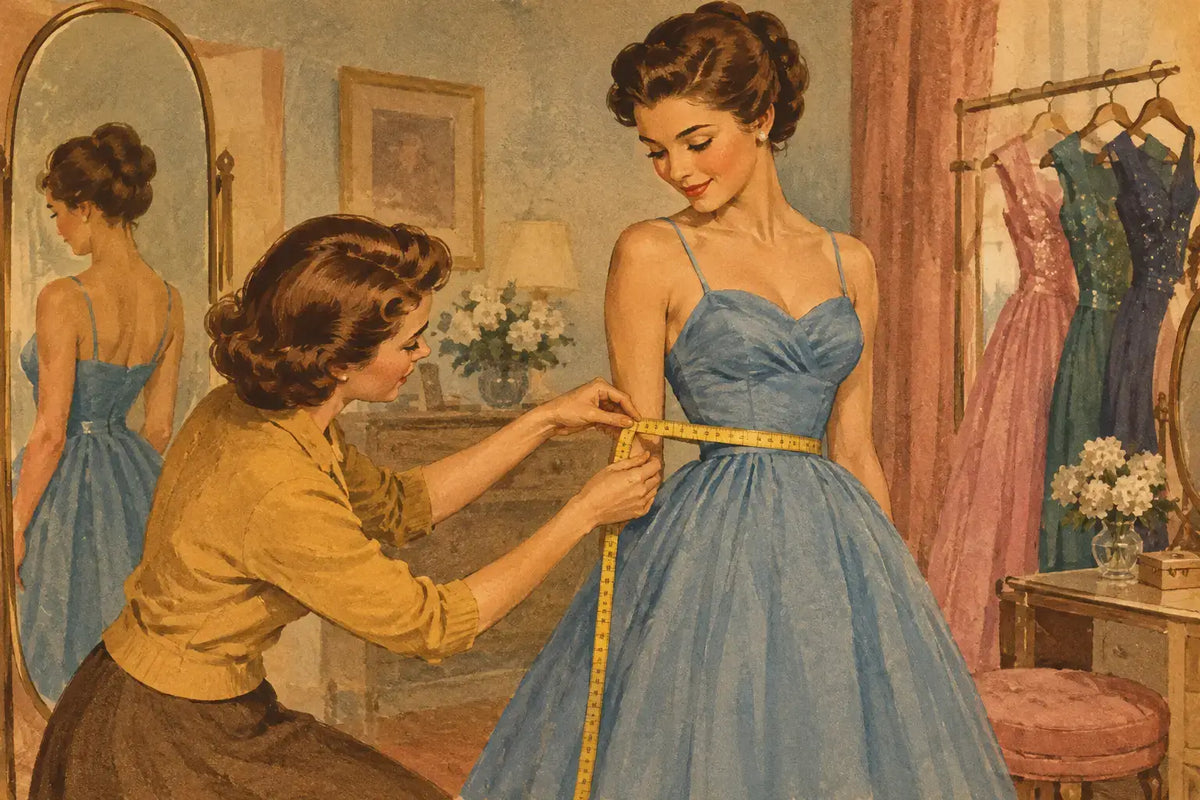
How to Find Your Prom Dress Size Before You Shop
Prom is not the night to spend wondering whether your zipper will cooperate. Knowing how to find prom dress size before you start shopping makes every part of the experience better: you can focus on the color, silhouette, sparkle, and details that make the dress feel like you. It also helps you order with confidence when your favorite gown is available online or you are narrowing down styles before an appointment.
The biggest rule? Forget the number on your everyday jeans. Prom dress sizing is not universal, and designer gowns often fit differently from casual clothing. Your measurements and the specific dress size chart are what count.
How to Find Prom Dress Size With a Measuring Tape
You need a soft measuring tape, close-fitting clothing or undergarments, and ideally a friend to help. Stand naturally with your feet together. Do not pull the tape so tightly that it digs in, and do not leave it loose enough to slide around. The goal is an accurate measurement, not a smaller number.
Take each measurement twice and write down the larger result if the two numbers differ. Prom gowns are structured pieces, so a single inch can matter at the bust, waist, or hips.
Measure your bust
Wrap the tape around the fullest part of your bust, keeping it level across your back. Wear the bra or shapewear you expect to wear on prom night if possible. A strapless bra, adhesive cups, or built-in support can change your measurement slightly, especially in a fitted bodice.
If you are choosing a dress with a lace-up back, you may have more flexibility through the bust. A zipper-back corset gown is less forgiving, so follow the chart closely.
Measure your natural waist
Your natural waist is usually the narrowest point of your torso, often a little above your belly button. Bend gently to one side to find the natural crease, then stand straight and measure around that point.
Do not measure where you wear low-rise pants or where you wish your waist sat. Designers use the natural waist measurement for most fitted, A-line, ball gown, and mermaid styles.
Measure your hips
For your hip measurement, wrap the tape around the fullest part of your hips and seat. Keep your feet together and make sure the tape is parallel to the floor.
Hips matter most for fitted, sheath, trumpet, and mermaid prom dresses. A full skirt may have plenty of room through the hips, but the measurement still helps you choose the right overall size.
Measure hollow to hem for long gowns
For a floor-length dress, you may also need your hollow-to-hem measurement. Start at the hollow of your neck, the small dip between your collarbones, and measure down to where you want the hem to hit while wearing your planned shoe height.
Most formal gowns are made long so they can be altered to your shoes. That is normal. Do not size down simply because you are petite - length is generally easier to tailor than a bodice that is too small.
Read the Dress Size Chart, Not the Tag
Once you have your measurements, compare them with the size chart for the exact designer and dress you love. A size 6 in one label may measure like a size 8 or 10 in another. That is why “I am always a size ___” is not a reliable prom shopping strategy.
If your bust, waist, and hips fall into different sizes, choose based on the most fitted part of the gown. For example, if a dress is snug at the waist but flows freely over the hips, prioritize your waist. If you are buying a sleek fitted gown, choose the size that accommodates your largest measurement, usually your hips or bust.
In most cases, it is safer to order up rather than down. A skilled alterations specialist can take in a gown, but adding room through a beaded bodice, elaborate seams, or a fitted skirt can be difficult and expensive. Ordering the smaller size because it feels more motivating is never worth the stress.
Your Dress Shape Changes the Fit Question
Your dream silhouette affects how much flexibility you have. A flowing A-line gown is often easier through the hips, while a body-hugging mermaid dress needs more precise measurements. Dresses with a high slit may look relaxed from the front but still be fitted across the hips and seat.
Corset bodices, lace-up backs, and stretch fabrics can offer a little adjustment room. Still, “stretch” does not mean the dress should be ordered too small. Beading, lining, boning, and inner cups can limit the give of the outer fabric.
Pay attention to the neckline, too. A strapless or off-the-shoulder gown must fit securely around the bust and upper ribcage. A halter or open-back style may feel more flexible, but it can still need alterations for support and a clean fit.
Plan for Alterations Without Panic
Even celebrities have gowns tailored. Alterations are a standard part of finding a polished prom fit, not evidence that you chose the wrong size. Hemming a long skirt, adjusting straps, taking in the waist, or adding bust support can make a beautiful gown look custom-made.
Build time into your shopping schedule. Order early enough to allow for shipping, try-on time, and at least one alterations appointment. Bring your prom shoes, bra or shapewear, and any accessories that change the neckline or posture to your fitting.
If you are between sizes, ask yourself where you want comfort most. You will be sitting, dancing, taking photos, eating dinner, and moving all night. A dress should hold you beautifully without making every breath feel like a challenge.
Try-On Tips That Make the Decision Easier
A dress can look amazing on a hanger and feel completely different once you move in it. When you try on gowns, sit down, lift your arms, take a few steps, and turn around. Check whether the zipper stays smooth, the neckline remains secure, and the skirt lets you walk comfortably.
Lighting matters, too. Step back from the mirror and take a few photos with and without flash if permitted. Sequins, satin, rhinestones, and shimmer fabrics can shift dramatically under event lighting. You are shopping for the full prom-night effect, not just a fitting-room moment.
For shoppers who want in-person guidance, Elle Couture carries current formalwear in sizes 00 to 24, making it easier to compare silhouettes and designer fits side by side. If you shop online, keep your measurements handy and check the chart again before placing the order.
Common Prom Dress Sizing Mistakes
The most common mistake is ordering according to your usual clothing size instead of the designer chart. The next is measuring over thick clothes, holding your stomach in, or measuring yourself once and hoping for the best.
Avoid buying a gown that is too small with the assumption that it will stretch. Formal fabrics can tear, pull at the zipper, or distort the shape of the bodice when they are under too much pressure. Also avoid choosing a size based only on the bust if the dress is fitted through the waist or hips.
Finally, remember that bodies change. If prom is still months away, choose a size that fits your current measurements comfortably. Leave alterations to the professionals closer to the event rather than gambling on a future fit.
What if You Are Between Prom Dress Sizes?
If you are between sizes, the best choice depends on the dress construction. For a fitted zipper-back gown, go with the larger size and tailor it. For a lace-up corset back, either size may work, but the size chart and bodice coverage should guide the decision. For a stretchy jersey dress, check how much stretch the fabric actually has before sizing down.
When you are unsure, do not guess. Ask for fit guidance with your bust, waist, hip, height, and the exact dress style in mind. A quick sizing check can save you from a last-minute exchange or a gown that arrives too tight to enjoy.
The right prom dress size is the one that lets you walk in, pose confidently, and dance until the last song without adjusting it every five minutes. Measure carefully, trust the chart, allow time for tailoring, and choose the gown that makes your prom-night entrance feel unforgettable.

